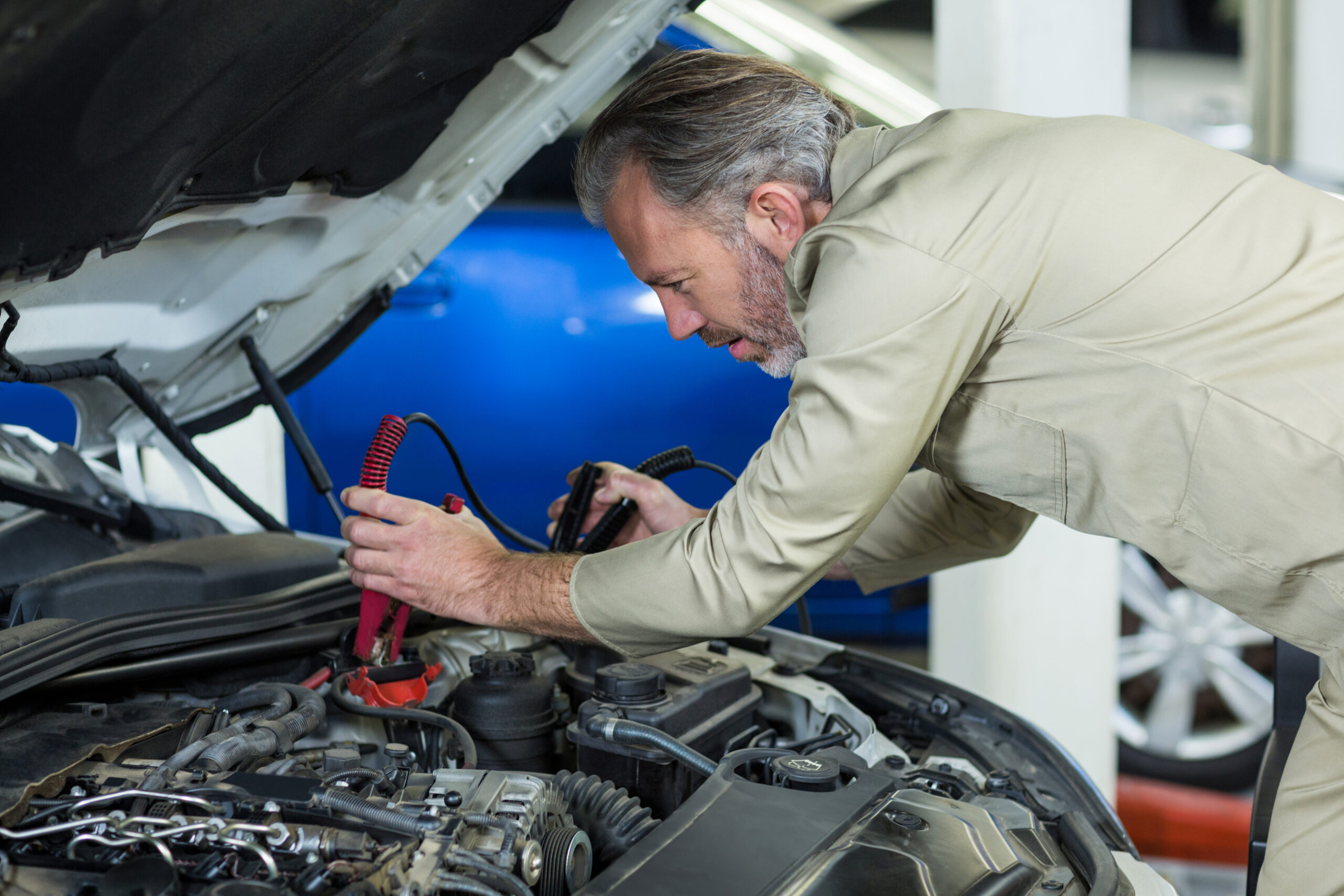
Many drivers have experienced the frustration of returning to their vehicle only to discover the battery is suddenly dead. While batteries naturally weaken with age, older vehicles also become more vulnerable to battery drain problems that slowly discharge power even when the vehicle is not being used.
Battery drain issues can be difficult to diagnose because the vehicle may appear completely normal during regular driving before suddenly refusing to start after sitting overnight or for several days.
Modern Vehicles Always Use Some Battery Power
Even when parked, most modern vehicles continue using small amounts of electricity.
Systems that remain active may include:
- Security systems
- Clocks
- Keyless entry modules
- Memory settings
- Computer modules
Under normal conditions, this small power usage is carefully controlled and does not drain the battery excessively.
However, aging electrical systems can eventually create abnormal power draw that slowly discharges the battery over time.
Older Batteries Lose Capacity Naturally
Vehicle batteries gradually weaken as they age.
Over time, batteries lose their ability to:
- Hold a charge
- Deliver strong starting power
- Recover after discharge cycles
Extreme temperatures, frequent short trips, and long periods of inactivity often accelerate battery deterioration.
An older weakened battery becomes much more sensitive to even minor electrical drains.
Faulty Electrical Components Commonly Cause Drain Issues
Battery drain problems often originate from electrical components that fail to shut off properly after the vehicle is parked.
Common causes include:
- Interior lights remaining on
- Faulty relays
- Malfunctioning control modules
- Damaged wiring
- Aftermarket electronics
Because these problems may occur intermittently, diagnosis can become especially frustrating for both drivers and technicians.
Corroded Wiring Can Create Hidden Power Loss
Older vehicles frequently develop wiring problems because of years of exposure to:
- Heat
- Moisture
- Vibration
- Road salt
Corroded or damaged wiring may create unintended electrical connections that slowly drain the battery.
In some cases, wiring problems may also trigger warning lights, electronic malfunctions, or inconsistent starting behavior.
Alternator Problems Can Mimic Battery Drain
Drivers often assume repeated dead batteries automatically mean the battery itself is defective.
However, the alternator is responsible for recharging the battery while driving.
A weak or failing alternator may:
- Undercharge the battery
- Create voltage irregularities
- Reduce charging efficiency
This can cause the battery to appear drained even though the actual issue originates within the charging system.
Short Trips Increase Battery Stress
Vehicles driven mainly on short trips often experience more battery-related problems.
Frequent short-distance driving may not allow enough time for the alternator to fully recharge the battery after starting the engine.
Over time, repeated short trips may gradually weaken battery charge levels, especially in older vehicles with aging electrical systems.
Cold weather makes this problem even worse because starting requires additional battery power during low temperatures.
Aftermarket Electronics Can Create Drain Problems
Many older vehicles contain aftermarket accessories installed over the years, including:
- Audio systems
- Remote starters
- GPS units
- Alarm systems
- Dash cameras
Improperly installed or aging aftermarket electronics are common sources of battery drain because they may continue drawing power unexpectedly while the vehicle is parked.
Electrical modifications also increase diagnostic complexity in aging vehicles.
Intermittent Battery Drain Problems Are Hard to Diagnose
One reason battery drain issues become frustrating is that they may not happen consistently.
Drivers may experience situations where:
- The battery dies overnight once every few weeks
- The vehicle starts normally most days
- Warning lights appear randomly
- Electrical accessories behave unpredictably
Because the symptoms are inconsistent, identifying the exact source often requires extensive electrical testing.
Older Vehicles Commonly Develop Multiple Electrical Problems Together
As vehicles age, several electrical systems may begin weakening simultaneously.
An older car experiencing battery drain problems may also have:
- Weak alternators
- Corroded wiring
- Failing sensors
- Starter problems
- Electronic module failures
When multiple electrical issues appear together, repair costs can increase quickly.
This becomes especially challenging for high-mileage vehicles already dealing with suspension wear, engine leaks, or transmission problems.
Why Some Owners Delay Electrical Repairs
Many battery drain problems seem minor initially because jump-starting the vehicle temporarily solves the issue.
However, repeated battery discharge eventually shortens battery lifespan and may create additional electrical stress throughout the vehicle.
When electrical repairs combine with other aging-related maintenance costs, continued ownership may become financially difficult to justify.
This is one reason some owners eventually explore alternatives such as Cash For Junk Cars once repeated electrical problems begin affecting long-term reliability and daily usability.
Preventative Maintenance Helps Reduce Battery Problems
Drivers can reduce battery drain risks through regular inspections and maintenance.
Helpful preventative practices include:
- Testing batteries regularly
- Cleaning battery terminals
- Addressing warning lights early
- Inspecting charging systems
- Limiting unnecessary aftermarket electrical loads
Routine maintenance often helps identify small electrical problems before they become larger reliability issues.
Final Thoughts
Older vehicles commonly develop battery drain problems because years of electrical wear, wiring deterioration, aging batteries, and failing electronic components gradually affect power management systems.
Understanding how battery drain issues develop helps drivers recognize warning signs earlier and maintain more dependable vehicle performance over time.

 Welcome to CreativeGeneralist.com, your premier destination for authentic news, captivating stories, and insightful posts curated from across the globe. We meticulously select diverse content to inform, entertain, and inspire.