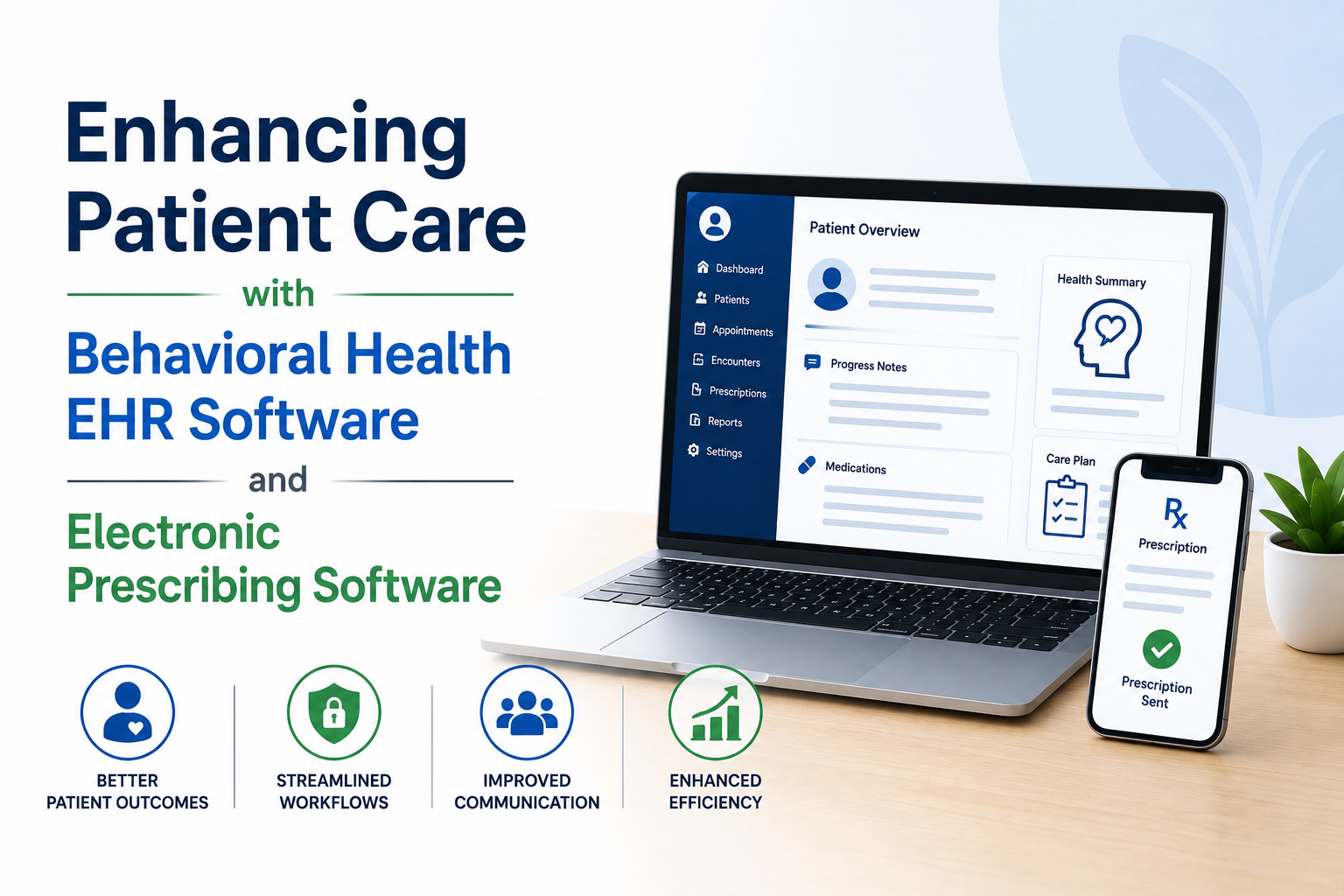
The healthcare landscape is evolving rapidly, and behavioral health providers are under increasing pressure to deliver efficient, accurate, and patient-centered care. Traditional paper-based systems or generic electronic tools often fall short when addressing the unique needs of mental and behavioral health practices. This is where behavioral health EHR software and electronic prescribing software come into play—offering specialized solutions designed to streamline workflows, improve patient outcomes, and ensure regulatory compliance.
Modern practices are increasingly turning to platforms like Opus EHR to bridge the gap between clinical efficiency and quality care. But what exactly makes these technologies so essential?
Understanding Behavioral Health EHR Software
Behavioral health Electronic Health Record (EHR) software is specifically designed for mental health professionals, including psychologists, psychiatrists, therapists, and counselors. Unlike general EHR systems, it caters to the nuances of behavioral health documentation, such as therapy notes, treatment plans, and progress tracking.
One of the key advantages of behavioral health EHR software is its ability to centralize patient information. Providers can access comprehensive records—including medical history, diagnoses, session notes, and treatment outcomes—in one secure location. This not only saves time but also ensures that clinicians have a complete picture of the patient’s journey.
Additionally, these systems often include customizable templates for different therapy modalities, making documentation faster and more consistent. Features like appointment scheduling, billing integration, and telehealth support further enhance practice efficiency.
The Role of Electronic Prescribing Software
Electronic prescribing software, commonly known as ePrescribing, allows healthcare providers to send prescriptions directly to pharmacies through a secure digital platform. This eliminates the need for handwritten prescriptions, reducing errors caused by illegible handwriting or manual entry.
For behavioral health professionals, ePrescribing is particularly valuable. Many patients require ongoing medication management, and having a streamlined prescribing process ensures accuracy and safety. Providers can quickly check drug interactions, review patient medication history, and make informed decisions in real time.
Moreover, electronic prescribing software helps combat prescription fraud and enhances compliance with regulatory standards. Controlled substances can be prescribed securely, with built-in safeguards to prevent misuse.
Key Benefits of Integrating Both Systems
When behavioral health EHR software and electronic prescribing software are integrated into a single platform, the benefits multiply significantly.
1. Improved Clinical Efficiency
Clinicians can manage patient records and prescriptions within the same system, eliminating the need to switch between multiple tools. This saves time and reduces administrative burden, allowing providers to focus more on patient care.
2. Enhanced Patient Safety
Integrated systems provide real-time alerts for potential drug interactions, allergies, or contraindications. This minimizes the risk of medication errors and ensures safer treatment plans.
3. Better Care Coordination
Behavioral health often involves collaboration between multiple providers. An integrated EHR system ensures seamless communication and data sharing, improving continuity of care.
4. Streamlined Workflow
From intake to treatment to follow-ups, everything is managed within a unified platform. Automated processes like appointment reminders and prescription refills further simplify daily operations.
5. Regulatory Compliance
Healthcare regulations are constantly evolving. Advanced EHR and ePrescribing systems are designed to stay compliant with standards such as HIPAA, ensuring data security and privacy.
Why Specialized Solutions Matter
Generic healthcare software may not fully address the complexities of behavioral health. For instance, therapy notes often require a different structure compared to standard medical records. Similarly, mental health treatments may involve long-term care plans that need detailed tracking.
Specialized behavioral health EHR software is built with these requirements in mind. It supports features like group therapy documentation, outcome measurement tools, and customizable workflows tailored to mental health practices.
When combined with electronic prescribing software, providers gain a comprehensive solution that covers both clinical documentation and medication management—two critical components of behavioral healthcare.
The Future of Behavioral Health Technology
As technology continues to advance, the integration of EHR and ePrescribing systems will become even more sophisticated. Artificial intelligence, predictive analytics, and patient engagement tools are expected to play a larger role in shaping the future of behavioral healthcare.
Patients are also becoming more involved in their care, expecting digital access to records, appointment scheduling, and communication with providers. Modern EHR platforms are evolving to meet these expectations, offering patient portals and mobile-friendly interfaces.
Final Thoughts
Investing in behavioral health EHR software and electronic prescribing software is no longer optional—it’s a necessity for practices aiming to deliver high-quality, efficient care. These tools not only streamline operations but also enhance patient safety, improve outcomes, and ensure compliance with industry standards.
For behavioral health providers looking to modernize their practice, adopting an integrated solution like Opus EHR can be a transformative step. By embracing technology tailored to their unique needs, clinicians can focus on what truly matters: providing compassionate, effective care to their patients.

 Welcome to CreativeGeneralist.com, your premier destination for authentic news, captivating stories, and insightful posts curated from across the globe. We meticulously select diverse content to inform, entertain, and inspire.