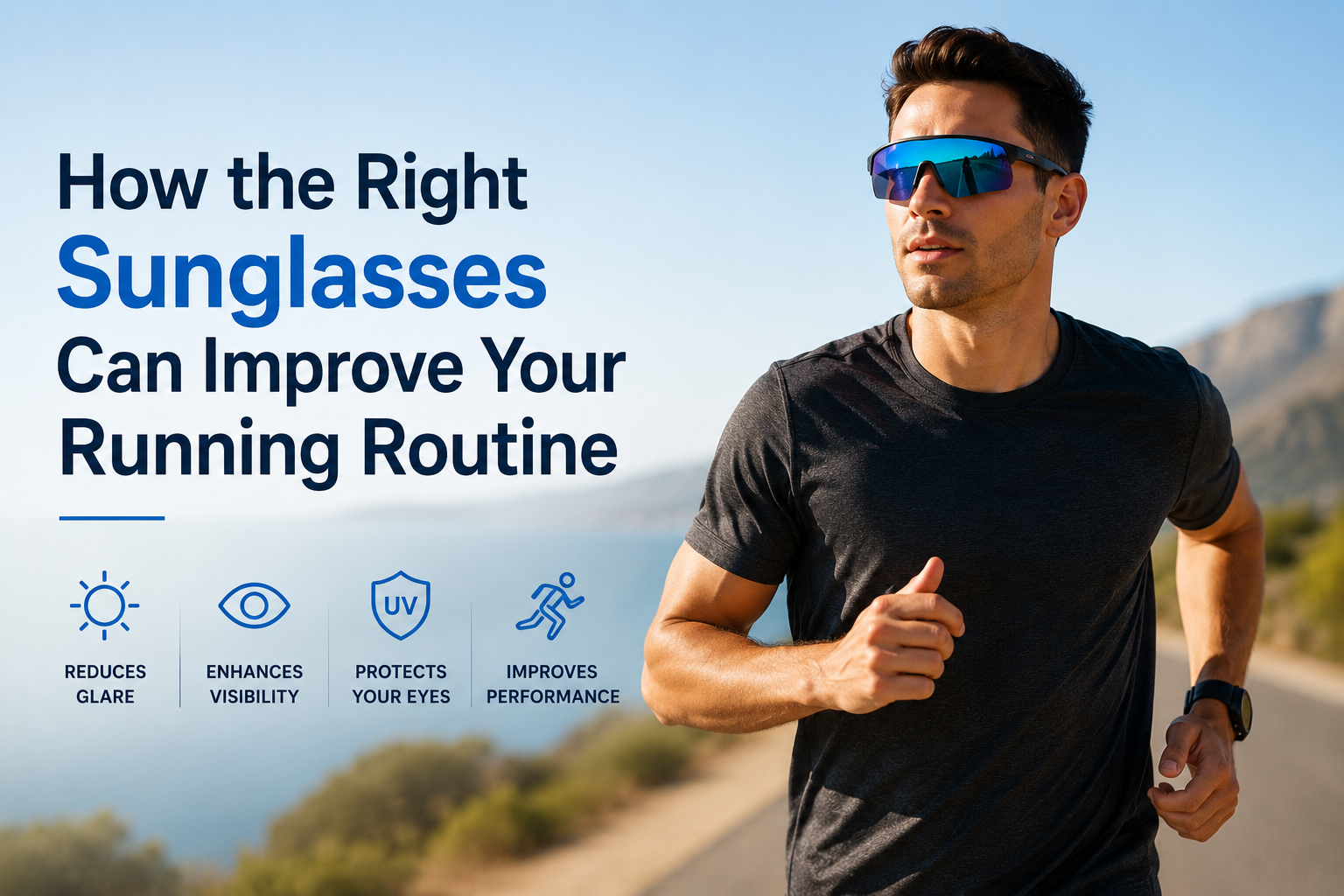
Running feels simple: lace up, head outside, and move. But small gear choices can make a big difference in comfort, focus, and consistency. Sunglasses are one of those details runners often underestimate until glare, wind, sweat, or shifting light starts interfering with the miles.
Why Runners Need More Than Regular Sunglasses
Everyday sunglasses may work for walking around town, but running creates different demands. Frames bounce, lenses fog, sweat changes grip, and changing light conditions can make it harder to stay relaxed.
Good running eyewear should help with:
- Reducing harsh glare
- Protecting against wind and dust
- Staying secure during movement
- Feeling lightweight over long distances
- Improving visibility on roads, trails, and sidewalks
When sunglasses stay put, runners can focus on pace, breathing, and surroundings instead of constantly adjusting their gear.
Comfort Is the First Performance Feature
Comfort matters because running is repetitive. A small pressure point behind the ears may feel minor at first, but after several miles it can become distracting. The same applies to frames that pinch the nose or slide down when sweat builds.
Lightweight frames are especially helpful for distance runners. The best sunglasses almost disappear once the run begins. They should sit securely without feeling tight, and they should not interfere with hats, headphones, or headbands.
Fit also depends on face shape. Some runners prefer wraparound frames for extra coverage, while others like a more casual frame that can transition from workouts to errands.
Lens Quality Changes the Experience
Lens choice can shape how comfortable a run feels. Bright sunlight, reflective pavement, water, car windows, and wet roads can all create glare. Polarized lenses can help reduce that harsh reflection, making it easier to keep the eyes relaxed.
Tint also matters. Dark lenses may be useful on bright afternoons, while lighter lenses can be better for early morning or shaded routes. Trail runners may prefer lenses that improve contrast so roots, rocks, and uneven ground are easier to spot.
Runners comparing athletic running sunglasses should look beyond style and consider how lens color, frame shape, and fit match their typical routes.
Road Running vs. Trail Running
Different running environments call for different eyewear priorities.
Road Running
Road runners often deal with open sunlight, traffic reflections, and long stretches of pavement. Secure fit and glare reduction are especially important. Lenses should support clear visibility without making shaded areas too dark.
Trail Running
Trail runners need coverage from dust, branches, bugs, and shifting light. A frame with better side protection can be useful, especially on wooded routes where sunlight changes quickly between open and shaded sections.
Beach or Waterfront Running
Waterfront routes create intense reflected glare. Polarized lenses can make these runs feel more comfortable, especially during sunrise, sunset, or midday conditions.
Practical Features Worth Looking For
A good pair of running sunglasses does not need to be complicated. The most useful features are usually simple and practical:
- Lightweight construction
- Secure nose and temple grip
- UV protection
- Scratch-resistant lenses
- Comfortable frame width
- Polarized or glare-reducing lenses
- Durable hinges and flexible materials
Runners who train several times per week should also consider durability. Sunglasses get tossed into gym bags, dropped on sidewalks, and exposed to sweat, heat, and rain. A dependable pair should handle regular use without feeling fragile.
Style Still Matters
Performance is important, but style should not be dismissed. Many runners want sunglasses they can wear before, during, and after a workout. A pair that looks good with running clothes and casual outfits is more likely to become part of a daily routine.
This is especially helpful for people who run during lunch breaks, travel frequently, or head straight from a workout to errands. Versatile sunglasses reduce the need to carry multiple pairs.
Building Better Running Habits
The best running gear supports consistency. Shoes protect the feet, breathable clothing manages temperature, and sunglasses help keep vision comfortable. None of these items run the miles for you, but they remove small distractions that can make training feel harder than it needs to be.
For new runners, sunglasses can make outdoor training less intimidating. For experienced runners, they can improve comfort during long efforts, bright conditions, and changing terrain.
Conclusion
Running sunglasses are not just an accessory. They support visibility, comfort, protection, and focus across different environments. The right pair should feel light, stay secure, reduce glare, and match the way a runner actually trains.
Whether someone runs city blocks, wooded trails, coastal paths, or neighborhood loops, better eyewear can make each mile feel smoother and more enjoyable.

 Welcome to CreativeGeneralist.com, your premier destination for authentic news, captivating stories, and insightful posts curated from across the globe. We meticulously select diverse content to inform, entertain, and inspire.