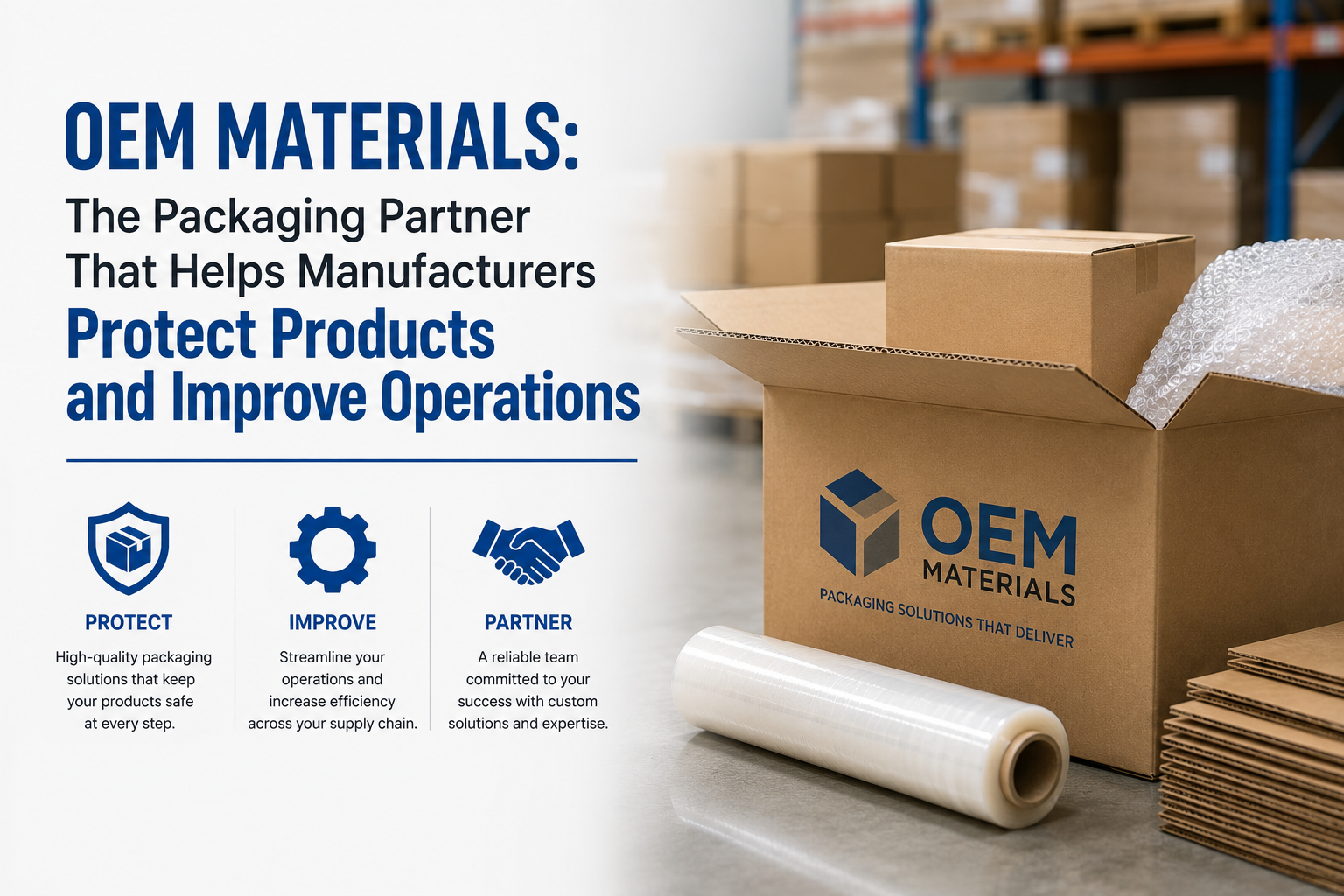
Every manufacturer invests significant time, money, and expertise into building quality products. Yet one critical element is often overlooked until problems arise: packaging. Whether a company produces automotive components, electronics, aerospace equipment, industrial machinery, or medical devices, packaging plays a direct role in protecting products, reducing shipping costs, and maintaining customer satisfaction.
That is where OEM Materials has established itself as a trusted resource for manufacturers throughout Southern California and beyond. Rather than simply selling packaging supplies, the company works with businesses to develop solutions that match the unique requirements of modern manufacturing. From fragile electronics to heavy industrial components, every product requires thoughtful protection before it reaches its destination.
As supply chains become more complex and customer expectations continue to rise, businesses are increasingly seeking packaging partners that understand manufacturing challenges. OEM Materials has become known for helping companies improve packaging efficiency while ensuring products arrive safely and professionally.
Packaging Is More Than a Shipping Box
Many people think of packaging as nothing more than a cardboard box. In reality, industrial packaging is a carefully engineered system designed to protect products throughout storage, transportation, and handling.
Products often travel hundreds or thousands of miles before reaching their final destination. During that journey they may encounter vibration, compression, moisture, impacts, temperature changes, and repeated loading and unloading. Poor packaging can lead to damaged products, increased warranty claims, costly returns, and dissatisfied customers.
Manufacturers understand that preventing damage is almost always less expensive than replacing finished products after shipment. Working with an experienced packaging supplier helps businesses identify the right materials before problems occur rather than reacting after losses have already happened.
Supporting a Wide Range of Manufacturing Industries
One reason manufacturers value OEM Materials is its ability to serve businesses across multiple industries. Each industry presents different packaging requirements, and standardized solutions rarely meet every need.
Automotive suppliers frequently require packaging that protects precision-machined components while supporting high-volume production schedules. Aerospace manufacturers often ship expensive parts that demand exceptional protection and careful handling. Electronics companies need packaging that cushions delicate assemblies while minimizing static electricity concerns.
Industrial equipment manufacturers may ship products weighing hundreds or even thousands of pounds, requiring durable protective materials capable of withstanding long transportation routes.
Instead of forcing customers into one-size-fits-all packaging, OEM Materials focuses on identifying solutions appropriate for each application.
Reducing Shipping Damage
Shipping damage remains one of the largest hidden costs for manufacturers. Even small amounts of product damage can create expensive consequences throughout the supply chain.
Returned shipments generate replacement costs, additional freight charges, customer service expenses, production delays, and lost customer confidence.
Effective protective packaging helps minimize these risks through the proper combination of materials. Depending on the application, businesses may benefit from corrugated boxes, cushioning materials, edge protection, protective wraps, foam solutions, or custom packaging configurations designed specifically for the products being shipped.
Reducing damage not only protects products but also strengthens customer relationships by ensuring deliveries arrive in excellent condition.
Improving Warehouse Efficiency
Packaging also affects internal operations long before products leave the facility.
Manufacturers that organize packaging materials efficiently often experience smoother workflows, reduced labor time, and improved inventory management. Employees spend less time searching for materials and more time completing productive work.
Companies that partner with OEM Materials frequently evaluate opportunities to streamline packaging processes by selecting materials that improve productivity while maintaining consistent protection standards.
Even relatively small improvements can generate meaningful savings when packaging thousands of shipments every year.
Custom Packaging Solutions
Not every product fits neatly into a standard shipping carton.
Products with unusual dimensions, delicate finishes, irregular shapes, or sensitive components often require customized protective packaging.
A knowledgeable packaging provider helps manufacturers determine whether custom inserts, specialized cushioning, reinforced packaging, or alternative shipping configurations can better protect valuable products.
Custom packaging often reduces movement during transportation while creating a cleaner presentation upon arrival. Customers notice when products arrive securely packaged and free from damage.
Rather than relying on trial and error, manufacturers benefit from working with professionals who understand how packaging design influences shipping performance.
Stretch Film Remains Essential
Few packaging materials are used more frequently in distribution facilities than stretch film.
Stretch film secures palletized shipments, stabilizes loads during transportation, protects products from dust and moisture, and improves warehouse safety.
When properly selected, stretch film provides excellent holding force while minimizing material usage. Manufacturers handling high shipping volumes often evaluate film performance to reduce overall packaging costs without sacrificing load stability.
As logistics operations continue growing more automated, selecting appropriate stretch film becomes increasingly important for maintaining consistent shipping performance.
The Importance of Pallet Wrap
Closely related to stretch film is pallet wrap, one of the most widely used tools for securing shipments before transportation.
Proper pallet wrapping helps prevent shifting during truck transport while reducing the risk of damaged goods. Stable pallet loads also improve warehouse handling by creating safer conditions for forklift operators and warehouse personnel.
Companies shipping products nationwide understand that even minor movement during transit can create significant product damage. Reliable pallet wrapping contributes to consistent deliveries and improved operational efficiency.
Edge Protection Makes a Difference
Many manufacturers underestimate the value of edge protectors until products begin arriving with damaged corners or crushed packaging.
Edge protection distributes compression forces more evenly throughout stacked shipments while helping secure strapping systems. These protective components reduce crushing during storage, warehousing, and transportation.
Products stacked on pallets often experience substantial downward pressure. Proper edge protection helps preserve packaging integrity throughout the shipping process.
For businesses shipping heavy equipment or boxed products in bulk, edge protectors frequently become an important component of a complete protective packaging strategy.
Corrugated Packaging Continues to Evolve
While corrugated boxes have existed for decades, today’s packaging industry offers far more sophisticated options than standard shipping cartons.
Modern corrugated packaging includes multiple board strengths, custom dimensions, reinforced construction, specialty coatings, and designs intended for specific industries.
Manufacturers often evaluate packaging strength based on product weight, stacking requirements, shipping distance, storage conditions, and transportation methods.
Selecting the proper corrugated solution reduces waste while providing adequate protection throughout distribution.
Cushioning Materials Protect Valuable Products
Inside every shipping container, cushioning materials help absorb impacts and reduce movement during transit.
Various cushioning products serve different purposes depending on the product being shipped. Some materials focus on shock absorption, while others provide surface protection or fill empty spaces within shipping cartons.
The correct cushioning solution depends on product fragility, shipping conditions, weight, and customer expectations.
Manufacturers increasingly recognize that interior protection deserves just as much attention as the shipping carton itself.
Supporting Supply Chain Reliability
Reliable packaging suppliers contribute to stable manufacturing operations.
Production schedules depend upon having packaging materials available when needed. Delays in receiving packaging components can interrupt shipping schedules, postpone customer deliveries, and create unnecessary operational stress.
Companies that establish long-term relationships with experienced suppliers often benefit from improved inventory planning, consistent material availability, and dependable customer support.
As manufacturing becomes increasingly competitive, dependable supplier relationships remain an important advantage.
Sustainability Continues to Shape Packaging
Environmental responsibility has become an important consideration for manufacturers across nearly every industry.
Many companies seek opportunities to reduce excess packaging, improve material efficiency, and incorporate recyclable products without compromising product protection.
Thoughtful packaging design can reduce material consumption while maintaining shipping performance. Smaller packaging footprints may also improve transportation efficiency by maximizing trailer utilization.
Businesses increasingly evaluate sustainability alongside cost, protection, and operational efficiency when selecting packaging materials.
Choosing the Right Packaging Partner
Selecting packaging materials involves more than comparing prices.
Manufacturers often look for suppliers that understand production environments, respond quickly to changing needs, and provide practical recommendations based on real-world shipping experience.
An experienced packaging partner helps identify opportunities to improve protection, reduce waste, simplify operations, and support long-term business growth.
For companies serving demanding industries, packaging becomes an extension of product quality itself.
OEM Materials has built its reputation by supporting manufacturers with practical packaging solutions that help protect products, improve efficiency, and strengthen supply chain performance. As manufacturing continues evolving, businesses increasingly recognize that investing in better packaging is also an investment in customer satisfaction, operational excellence, and long-term success.
Whether organizations require reliable packaging supplier services, durable stretch film, dependable pallet wrap, protective edge protectors, quality corrugated boxes, or effective cushioning materials, working with an experienced provider can help transform packaging from a routine expense into a valuable competitive advantage.

 Welcome to CreativeGeneralist.com, your premier destination for authentic news, captivating stories, and insightful posts curated from across the globe. We meticulously select diverse content to inform, entertain, and inspire.