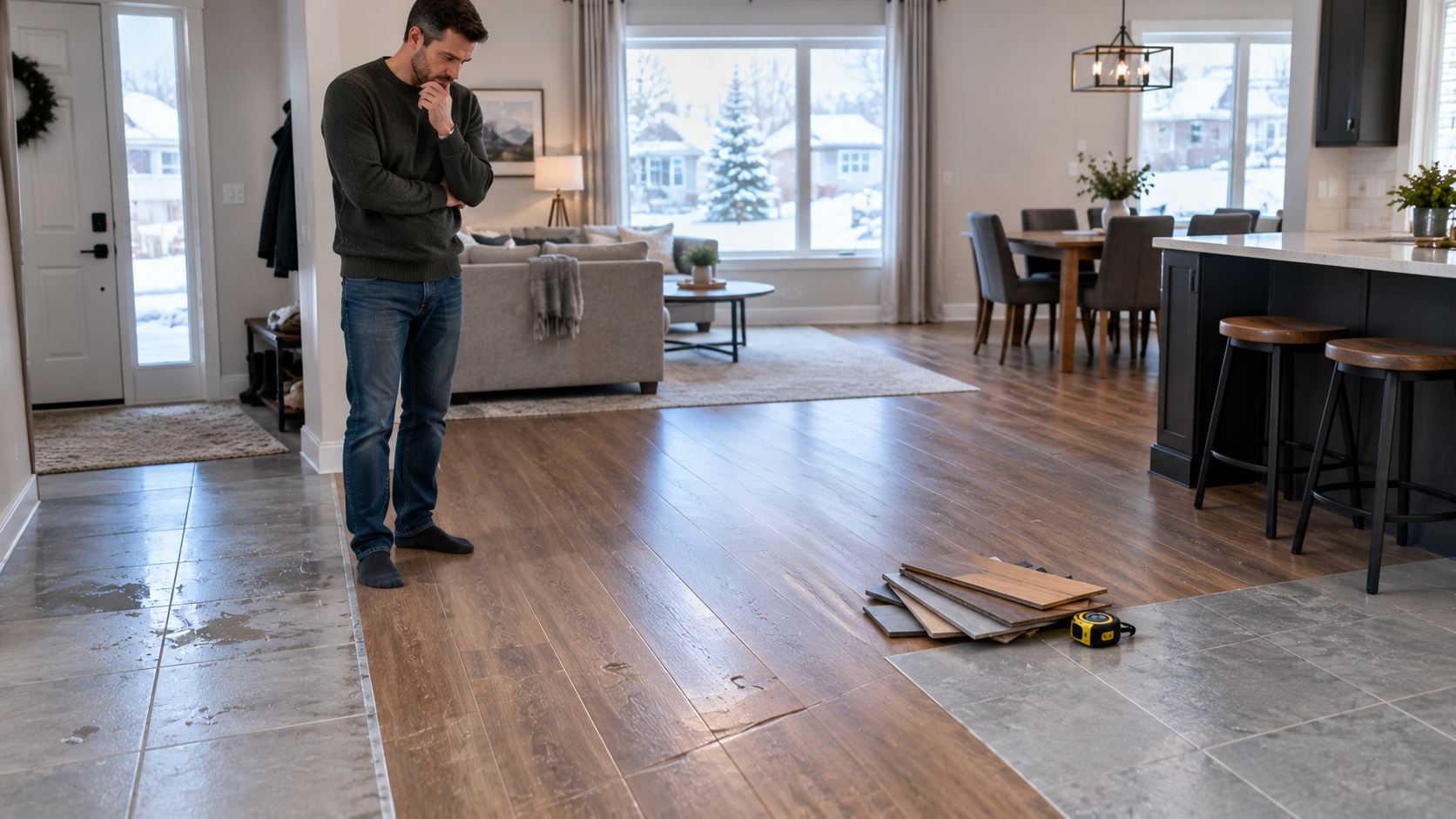
Flooring is one of the most important decisions in any renovation. It is also one of the most permanent. You can repaint a wall on the weekend. You can swap out a light fixture in an afternoon. You can change your mind about a sofa and sell it online. But flooring? Flooring is a commitment. It is expensive to install. It is disruptive to replace. It affects the look, feel, and value of your entire home. Get it right and you enjoy it for decades. Get it wrong and you regret it every single day.
Canadian homeowners are no different from anyone else. They want beautiful floors. They want durable floors. They want floors that fit their lifestyle and their budget. But they also face unique challenges. The Canadian climate is harsh. Winters are long and cold. Humidity swings from dry to damp. Homes range from century old Victorians to brand new condos. The housing market is competitive. All of these factors make flooring decisions more complicated than they first appear.
Over the years, I have talked to hundreds of homeowners about their renovations. I have heard the same regrets over and over again. These are not rare mistakes. They are common ones. They are the ones that keep people up at night. They are the ones that cost thousands of dollars to fix. They are the ones that make people say, “I wish I had known then what I know now.”
This article is about those regrets. It is about the flooring decisions that Canadian homeowners wish they could take back. It is about the mistakes you can avoid by learning from others. If you are planning a renovation, read this carefully. It might save you from making the same errors.
Regret One: Choosing Beauty Over Durability
This is the most common regret of all. Homeowners fall in love with a floor because it looks beautiful. They do not think about how it will hold up to real life. They do not think about kids, pets, foot traffic, or the Canadian climate. They just see the pretty surface. Then reality hits.
Imagine a young family. They have two kids and a golden retriever. They renovate their main floor. They choose beautiful engineered hardwood. It has a thin veneer. It looks stunning in the showroom. It looks stunning in the photos. Six months later, it looks terrible. The dog’s nails have scratched the surface. The kids have dropped toys and dented the wood. A spilled glass of water has left a dark stain. The homeowner is heartbroken. They spent thousands of dollars on a floor that is already ruined.
Or imagine a couple who loves the look of polished marble. They install it in their bathroom. It looks like a luxury hotel. Then they notice the etching. Every drop of toothpaste, every splash of perfume, every spill of lemon water has left a dull mark. Marble is calcium based. It reacts with acids. It is beautiful but it is high maintenance. The couple regrets not choosing a porcelain tile that looks like marble but does not etch.
The lesson is simple. Beauty fades. Durability lasts. Before you choose a floor, think about how you live. Do you have pets? Do you have kids? Do you wear shoes indoors? Do you entertain often? Do you live in a wet climate? Do you have a busy household? Answer these questions honestly. Then choose a floor that can handle your life.
For busy Canadian homes, luxury vinyl planks are a great choice. It is waterproof. It is scratch resistant. It is easy to clean. It can mimic the look of hardwood or stone. Porcelain tile is another excellent option. It is hard, durable, and waterproof. It handles the freeze thaw cycle in mudrooms and entryways. If you want hardwood, choose a species that is hard enough for your lifestyle. Oak and maple are harder than pine or walnut. Choose a finish that resists scratches. Choose an engineered product with a thick veneer that can be refinished.
Regret Two: Ignoring the Climate
Canada is not a tropical paradise. It is a country of extremes. Winters are cold and dry. Summers are hot and humid. Spring brings melting snow and rain. Fall brings wet leaves and mud. Your flooring has to handle all of it.
One of the biggest regrets is installing solid hardwood in a basement. Solid hardwood expands and contracts with humidity. Basements are often damp. They are also often cold. Solid hardwood will cup, warp, and gap. It will not last. Homeowners who install solid hardwood in basements regret it within a year. They should have chosen engineered hardwood, luxury vinyl, or tile.
Another regret is installing carpet in a mudroom or entryway. Canadian winters mean snow, salt, and slush. Carpet traps all of it. It gets dirty. It gets stained. It gets smelly. It is almost impossible to keep clean. Homeowners who install carpet in these areas regret it every winter. They should have chosen tile or luxury vinyl. Something they can mop.
Another climate related regret is choosing a floor that feels cold underfoot. The tile and stone are beautiful. But in a Canadian winter, they can freeze. Walking on cold tile in bare feet is unpleasant. Homeowners who install tile in kitchens and bathrooms without radiant heating often regret it. They wish they had spent the extra money to warm the floor. It is a small investment that makes a big difference.
The lesson is to respect the climate. Choose materials that can handle moisture and temperature changes. Consider radiant heating for tile and stone. Use mats and rugs in high traffic areas. Do not fight the climate. Work with it.
Regret Three: Following Trends Instead of Timeless Style
Trends are tempting. They are exciting. They are everywhere on social media. You see a beautiful floor on Instagram and you want it. You see a celebrity’s home tour and you covet their tile. You see a design show and you rush out to buy the same look. The problem is that trends fade. What is popular today will look dated tomorrow. Homeowners who follow trends often regret it.
Remember the gray wood floor trend? It was everywhere for years. Gray laminate. Gray vinyl. Gray hardwood. It looked modern and cool. Now it looks cold and sterile. Many homeowners who installed gray floors five years ago are now ripping them out. They wish they had chosen a warmer, more natural tone.
Remember the dark espresso hardwood trend? It was dramatic and elegant. But it shows every speck of dust. It makes small rooms feel smaller. It scratches easily. Homeowners who installed dark floors regret the maintenance. They wish they had chosen a medium tone.
Remember the white marble with heavy gray veining trend? It was luxurious. But it is now so common that it feels generic. It also etches and stains. Homeowners who paid a premium for marble regret not choosing a more practical porcelain.
The lesson is to choose timeless over trendy. Medium tone wood. Warm beige stone. Soft white tile. Classic patterns. These choices have been popular for decades. They will still be popular in ten years. You can add personality with rugs, furniture, and paint. Those are easy to change. Flooring is not.
This is where a good tile store can help. A Tile Store North York can show you options that are classic and durable. They can steer you away from trends that will date quickly. They can help you find a floor that you will love for years, not just for now.
Regret Four: Not Ordering Enough Material
This is a logistical regret. It is also a very common one. Homeowners calculate the square footage of their room. They order exactly that amount. They forget about cuts, waste, and future repairs. Then they run out. They try to order more. The tile is discontinued. The dye lot is different. The new tile does not match. They are stuck with an incomplete floor or a mismatched patch.
This regret is entirely preventable. Always order more than you need. Ten percent extra is the minimum. Fifteen percent is safer. For complex patterns like herringbone or diagonal, order twenty percent extra. For natural stone, order even more because you will reject some pieces. The extra material sits in your garage or basement. It costs a little more upfront. But it saves you from a disaster later.
Extra tile is also useful for repairs. If a tile cracks or chips, you can replace it with a matching piece. If you do not have extra, you cannot repair it. You have to live with the damage. Or you have to replace the whole floor. That is a huge regret.
Homeowners also regret not checking dye lots. Tile is made in batches. Each batch has a slightly different color. If you order half your tile today and half next month, the colors might not match. You will see a visible line. The only fix is to rip out the mismatched tile and start over. Always order all your tile at once. Check the dye lot numbers. Make sure they match.
A good Tile Store Markham will help you calculate the right amount. They will remind you about waste and cuts. They will check the dye lots for you. They will store the extra tile for you if you do not have space. They will make sure you have everything you need for a successful installation.
Regret Five: Hiring the Wrong Installer
You can buy the most beautiful tile in the world. But if it is installed poorly, it will look terrible. Bad installation is one of the biggest regrets homeowners have. It is also one of the most expensive to fix.
What does a bad installation look like? Lippage, which is when one tile edge is higher than the neighbor. Uneven grout lines. Hollow spots under the tile. Cracks that appear weeks after installation. A floor that feels loose or sounds hollow when you walk on it. These are all signs of poor workmanship.
Homeowners often hire the cheapest installer. They want to save money. They do not realize that installation is a skill. It takes experience. It takes patience. It takes attention to detail. A cheap installer will cut corners. They will skip the underlayment. They will use the wrong thinset. They will not prepare the subfloor properly. They will rush the job. The result is a floor that fails.
The regret comes later. The homeowner has to pay someone else to fix the mistakes. They have to rip out the poorly installed tile. They have to buy new material. They have to start over. They end up spending more than if they had hired a professional in the first place.
The lesson is to hire a qualified installer. Ask for references. Look at their previous work. Ask about their experience with your specific tile. Do not just go with the lowest bid. Pay for quality. It is worth it.
A good tile store can recommend installers. They work with contractors every day. They know who does good work. They know who is reliable. They know who specializes in different types of tile. Ask for their recommendations. A Tile Store GTA will have a network of professionals they trust. Use that network.
Regret Six: Choosing the Wrong Grout
Grout is an afterthought for many homeowners. They spend weeks choosing the tile. They spend five minutes choosing the grout. Then they regret it.
Grout color matters. A contrasting grout makes the tile pattern pop. A matching grout makes the floor look seamless. White grout on a white tile looks clean and modern. But white grout shows every bit of dirt. It is almost impossible to keep clean. Homeowners who choose white grout in a bathroom or kitchen regret it. They spend hours scrubbing. They wish they had chosen a darker color.
Grout type matters too. Cement based grout is porous. It needs to be sealed. It can stain. Epoxy grout is non porous. It does not need sealing. It resists stains. It is more expensive. But it is worth it in wet areas. Homeowners who choose cement grout in a shower regret it when it gets moldy and discolored. They wish they had paid extra for epoxy.
The lesson is to think about grout as carefully as you think about tile. Consider the color. Consider the type. Consider the maintenance. A good tile store can show you samples. They can explain the pros and cons of each option. They can help you choose a grout that looks good and performs well.
Regret Seven: Not Considering Resale Value
Some homeowners plan to stay in their home forever. They choose floors that reflect their personal taste. That is fine. But many homeowners sell sooner than they expect. Jobs change. Families grow. Life happens. If you sell your home, your flooring choices matter.
Bold, unusual flooring can hurt resale. A bright purple carpet. A mosaic tile with a complicated pattern. A dark, dramatic hardwood. These choices might make you happy. But they might turn off potential buyers. Buyers want neutral, move-in ready homes. They do not want to pay for someone else’s risky choices.
Homeowners who choose highly personal flooring often regret it when they sell. They have to offer a credit to buyers. Or they have to replace the floor before listing. Either way, they lose money.
The lesson is to think about resale. Even if you plan to stay, choose a floor that has broad appeal. Medium tone wood. Neutral tile. Classic patterns. These choices appeal to the widest range of buyers. They add value to your home. They do not detract from it.
If you want to express your personality, use removable elements. Rugs. Furniture. Art. These are easy to change. Flooring is not.
Regret Eight: Not Seeing the Tile in Person
Online shopping is convenient. But it is risky for tile. Photos do not show the true color. They do not show the texture. They do not show the scale. Homeowners who buy tile online often regret it. The tile arrives and it is not what they expected. The color is wrong. The texture is wrong. The quality is poor. But they cannot return it. Or they have to pay expensive return shipping. Or they have to live with a floor they do not love.
The lesson is to see the tile in person. Visit a showroom. Take samples home. Look at them in your lighting. See how they interact with your cabinets, your paint, your furniture. This is the only way to be sure. It takes a little more time. But it saves you from a big regret.
How to Avoid These Regrets
Now that you know the common regrets, how do you avoid them? Here is a simple guide.
First, think about your lifestyle. Do you have pets? Kids? Do you entertain? Do you wear shoes indoors? Choose a floor that can handle your life.
Second, respect the climate. Choose materials that can handle Canadian winters. Consider radiant heating for tile. Use durable materials in mudrooms and entryways.
Third, choose timeless over trendy. Medium tone wood. Neutral tile. Classic patterns. You will not regret these choices.
Fourth, order enough material. Ten to fifteen percent extra. Check dye lots. Store the extra for repairs.
Fifth, hire a qualified installer. Ask for references. Look at their work. Pay for quality.
Sixth, choose the right grout. Consider color. Consider type. Consider maintenance.
Seventh, think about resale. Choose floors that appeal to a wide range of buyers.
Eighth, see the tile in person. Visit a showroom. Take samples home. Do not buy blind.
Final Thoughts
Flooring is a big decision. It is also a permanent one. You cannot easily change your mind. You cannot easily fix mistakes. You have to live with your choices for years. That is why it is so important to get it right.
The regrets we talked about are common. But they are also preventable. By learning from others, you can avoid the mistakes they made. You can choose a floor that is beautiful, durable, and right for your home. You can enjoy your renovation instead of regretting it.
Take your time. Do your research. Visit showrooms. Talk to professionals. Ask questions. Get samples. Live with them. Then make a decision. A decision you will not regret.
Your home is your sanctuary. Your floor is the foundation of that sanctuary. Choose wisely. You will be glad you did.

 Welcome to CreativeGeneralist.com, your premier destination for authentic news, captivating stories, and insightful posts curated from across the globe. We meticulously select diverse content to inform, entertain, and inspire.