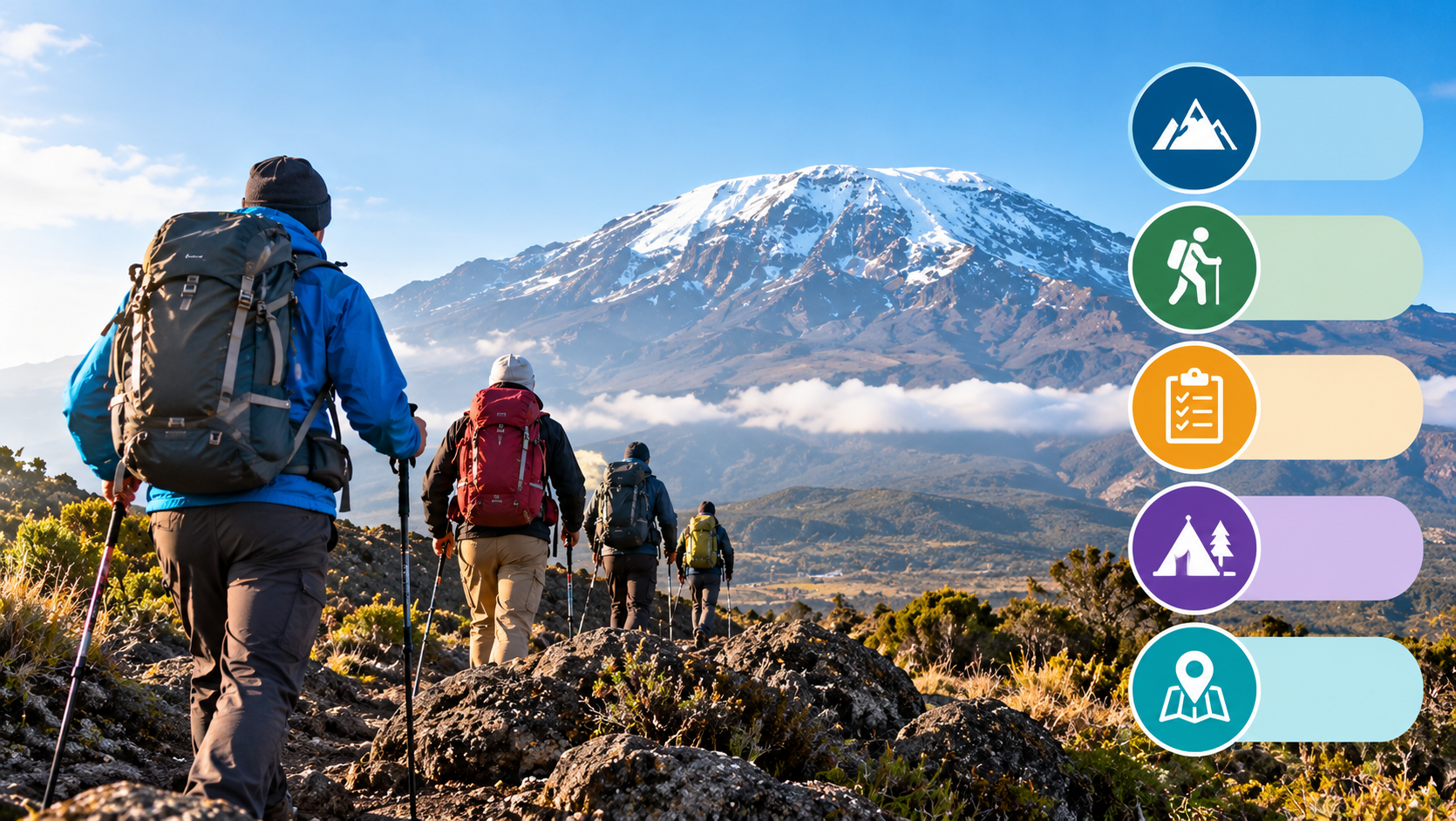
Standing above the clouds, watching the first rays of sunlight spread across the African landscape, is an experience few travelers ever forget. Mount Kilimanjaro offers exactly this kind of adventure. Located in Tanzania, this iconic mountain attracts hikers, nature lovers, and adventure seekers from around the world who dream of reaching its famous summit.
If you are planning to climb Mount Kilimanjaro, preparation is just as important as excitement. From choosing the right route to understanding the effects of altitude, every decision can influence your overall experience. With the right guidance, realistic expectations, and a positive mindset, climbing this remarkable mountain can become one of the most rewarding journeys of your life.
Why Climb Mount Kilimanjaro?
Mount Kilimanjaro is Africa’s highest mountain, rising approximately 5,895 meters above sea level. Unlike many other famous peaks, it does not require technical mountaineering skills on the standard trekking routes. This makes it an appealing challenge for people who enjoy hiking and want to experience a high altitude adventure.
One of the most fascinating aspects of the mountain is its changing scenery. Lower slopes are covered with farmland and lush rainforest, while higher elevations reveal open moorlands, rocky landscapes, and eventually an alpine desert environment. Near the summit, the surroundings become cold and dramatic, with glaciers and breathtaking views adding to the sense of achievement.
The journey is not only about reaching the top. It is also an opportunity to experience Tanzania’s natural beauty, meet fellow trekkers, learn from experienced local guides, and discover what you are capable of achieving.
Choose the Right Kilimanjaro Climbing Route
Selecting a suitable route is one of the most important steps when planning your trek. Each route has its own scenery, duration, difficulty, and acclimatization profile.
Machame Route
The Machame Route is popular among trekkers who want beautiful scenery and a varied trekking experience. Often called the Whiskey Route, it passes through rainforest, moorland, and alpine terrain. The journey generally takes six or seven days, although a longer itinerary may provide additional time to acclimatize.
Lemosho Route
The Lemosho Route is an excellent option for travelers who prefer a quieter beginning and spectacular landscapes. It approaches the mountain from the west and offers opportunities to experience different environments along the way. It is commonly completed in seven or eight days, making it attractive for climbers who want a more gradual ascent.
Marangu Route
The Marangu Route is known for its mountain huts, which provide a different accommodation experience from camping routes. It is sometimes called the Coca Cola Route and is traditionally completed in five or six days. However, a longer itinerary is generally preferable when possible because allowing more time for acclimatization can improve the chances of reaching the summit safely.
Rongai Route
Approaching from the northern side of the mountain, the Rongai Route offers a different perspective of Kilimanjaro. It is often considered by travelers seeking a less crowded experience, particularly during certain periods of the year. The route typically takes six or seven days, with longer options available.
Before making a decision, consider your fitness, available time, budget, and previous hiking experience. A reputable trekking operator can help you select an itinerary that matches your needs.
When Is the Best Time to Climb Mount Kilimanjaro?
Kilimanjaro can be climbed throughout the year, but weather conditions influence the overall experience. The periods from January to early March and from June to October are generally popular because they often provide favorable trekking conditions.
January and February can offer relatively warm conditions and rewarding views, although weather can change quickly at higher elevations. June through October generally attracts many trekkers because of the drier conditions, particularly during the main summer trekking season.
The rainy periods, especially around April and May, can bring muddy trails, wet camping conditions, and reduced visibility. November can also experience shorter rains, although conditions vary from year to year.
There is no perfect month for everyone. Your preferred travel dates, tolerance for colder weather, and willingness to trek in quieter conditions should all influence your decision.
How Difficult Is Climbing Mount Kilimanjaro?
Although climbing Mount Kilimanjaro does not usually require ropes or advanced climbing techniques on standard routes, it is still a demanding physical challenge. The biggest difficulty for many trekkers is altitude rather than the technical nature of the trail.
As you gain elevation, the amount of available oxygen decreases. This can lead to headaches, fatigue, nausea, dizziness, and difficulty sleeping. Altitude sickness can affect people regardless of their age or fitness level, so preparation and careful monitoring are essential.
Summit night is often the toughest part of the journey. Trekkers usually begin walking late at night and continue for several hours through freezing temperatures and darkness. The combination of cold, steep terrain, and altitude requires patience and determination.
The best approach is to maintain a steady pace, follow your guides’ instructions, stay hydrated, eat regularly, and communicate any symptoms as soon as they appear. Reaching the summit is never more important than your health and safety.
Prepare Your Body Before the Trek
You do not need to be an elite athlete to attempt Kilimanjaro, but a consistent training routine can make the experience more manageable.
Start preparing at least eight to twelve weeks before your departure if possible. Focus on activities that improve cardiovascular fitness, including walking, jogging, cycling, or swimming. Gradually increase the duration of your workouts rather than trying to do too much at once.
Long walks on hills or uneven trails are particularly useful because they help your body adjust to the demands of trekking. If you have access to hiking trails, practice carrying a daypack with some of the equipment you expect to use.
Strength training for your legs and core can also help you maintain stability on rocky and uneven surfaces. Equally important is learning how to walk at a comfortable pace for several hours without exhausting yourself.
Remember that physical fitness does not prevent altitude sickness. Spending additional days on the mountain to acclimatize remains one of the most important ways to support a safer ascent.
What Should You Pack for Kilimanjaro?
Packing correctly can make a major difference to your comfort during the climb. Temperatures vary considerably between the lower slopes and the summit, so wearing several layers is more practical than relying on one heavy jacket.
Essential items include:
- Moisture wicking base layers to help manage sweat.
- Warm insulating layers for cold mornings and evenings.
- A waterproof jacket and trousers.
- Comfortable, well broken in hiking boots.
- Warm gloves, a winter hat, and suitable socks.
- A sleeping bag rated for cold mountain conditions.
- A headlamp with spare batteries for summit night.
- Sunglasses, sunscreen, and lip protection.
- A reusable water bottle or hydration system.
- Personal medication and a basic first aid kit.
A small daypack is useful for carrying water, snacks, rain protection, and extra clothing during daily hikes. Your main luggage may be carried by the trekking support team, depending on your chosen package and local regulations.
Check your operator’s equipment list before departure so that you do not purchase unnecessary items or overlook essential gear.
Understanding Acclimatization and Mountain Safety
Acclimatization allows your body time to adjust to the lower oxygen levels found at high elevations. This process is especially important on Kilimanjaro because trekkers ascend from relatively low elevations to nearly 5,900 meters in a matter of days.
Choosing an itinerary with sufficient time for acclimatization is a sensible investment in your safety. Many experienced operators recommend longer routes because a gradual ascent can give the body more time to adapt.
Follow the principle of walking slowly, even when the trail initially feels easy. Your guide may use the familiar Swahili expression pole pole, meaning slowly, to remind you that a steady pace is essential.
Be alert to symptoms such as persistent headaches, nausea, unusual tiredness, and dizziness. Severe symptoms, including confusion, difficulty walking straight, or breathlessness at rest, require immediate medical attention and descent. Never try to push through serious altitude sickness to reach the summit.
Travelers with existing medical conditions should discuss their plans with a qualified healthcare professional before the trip. A professional can assess individual risks and advise whether additional precautions are appropriate.
How Much Does It Cost to Climb Mount Kilimanjaro?
The cost of climbing Kilimanjaro depends on several factors, including the route, number of trekking days, group size, accommodation arrangements, and level of service.
Your package may include park fees, camping or hut arrangements, meals, guides, porters, transfers, and other logistical support. International flights, travel insurance, personal equipment, visa expenses, and tips may be charged separately.
Cheaper packages can look attractive, but it is important to understand exactly what is included. Ask about guide qualifications, porter welfare, emergency procedures, meals, equipment, and the support available if someone develops altitude sickness.
Choosing a responsible operator is about more than finding the lowest price. Proper planning, experienced mountain staff, appropriate safety measures, and fair treatment of the local team all contribute to a better trekking experience.
Request a detailed itinerary and transparent cost breakdown before making a booking. This helps you compare packages fairly and avoid unexpected expenses.
Why Choose a Reliable Kilimanjaro Trekking Operator?
A successful mountain expedition depends on good preparation and a knowledgeable support team. Experienced guides understand the terrain, monitor trekkers for altitude related symptoms, manage the daily schedule, and help coordinate essential logistics.
A reliable operator should explain the route clearly, provide realistic expectations about summit success, discuss acclimatization, and outline emergency procedures. You should also feel comfortable asking questions about equipment, meals, accommodation, and the responsibilities of the trekking team.
Before booking, read recent traveler reviews and compare itineraries carefully. Look for clear communication and a genuine commitment to responsible tourism rather than promises of guaranteed summit success.
Travelers researching their options can exploreNature Bound Africa to learn more about African adventure travel and begin planning a Kilimanjaro experience suited to their interests.
What Happens on Summit Night?
Summit night is the moment many trekkers anticipate throughout the expedition. After resting in the evening, climbers typically begin their final ascent around midnight, although the exact schedule depends on the route and operator.
The climb is slow and physically demanding. Headlamps illuminate the trail while guides help maintain a manageable pace. The cold can be intense, and each step requires concentration as the path rises toward the crater rim.
As dawn approaches, the horizon gradually brightens. Reaching Stella Point or another designated point along the crater rim is a significant achievement. Depending on conditions and the route, trekkers may continue toward Uhuru Peak, the highest point on Mount Kilimanjaro.
Standing at the summit can bring an overwhelming mix of happiness, relief, and pride. After photographs and a brief celebration, climbers begin the descent, which can be just as challenging because of tired legs and loose terrain.
Summit attempts depend on weather, health, and safety conditions. Your guides may change plans or recommend turning back if continuing becomes unsafe.
Responsible Trekking and Respect for Nature
Kilimanjaro is a remarkable natural environment, and protecting it is part of every visitor’s responsibility. Trekkers should follow park regulations, avoid leaving rubbish, respect wildlife, and remain on established trails.
The mountain also supports local communities whose knowledge and work make many expeditions possible. Choosing operators that treat guides and porters fairly helps support more responsible tourism.
Simple actions can have a meaningful impact. Carry reusable items where practical, minimize single use plastics, follow your guide’s instructions, and appreciate the mountain without disturbing its natural surroundings.
A responsible approach helps preserve Kilimanjaro for future generations while creating a more positive experience for everyone involved.
Final Thoughts
Choosing to climb Mount Kilimanjaro is about much more than reaching the highest point in Africa. It is a journey through changing landscapes, a test of patience, and an opportunity to discover your own determination.
With the right route, suitable training, proper equipment, and enough time to acclimatize, you can approach the adventure with greater confidence. Take time to research your trekking operator, understand the costs, and prepare for the physical and mental demands of the journey.
The mountain rewards patience rather than speed. Whether you are drawn by the scenery, the challenge, or the dream of standing above the clouds, Kilimanjaro offers an unforgettable opportunity to experience the beauty of Tanzania and create memories that last a lifetime.

 Welcome to CreativeGeneralist.com, your premier destination for authentic news, captivating stories, and insightful posts curated from across the globe. We meticulously select diverse content to inform, entertain, and inspire.