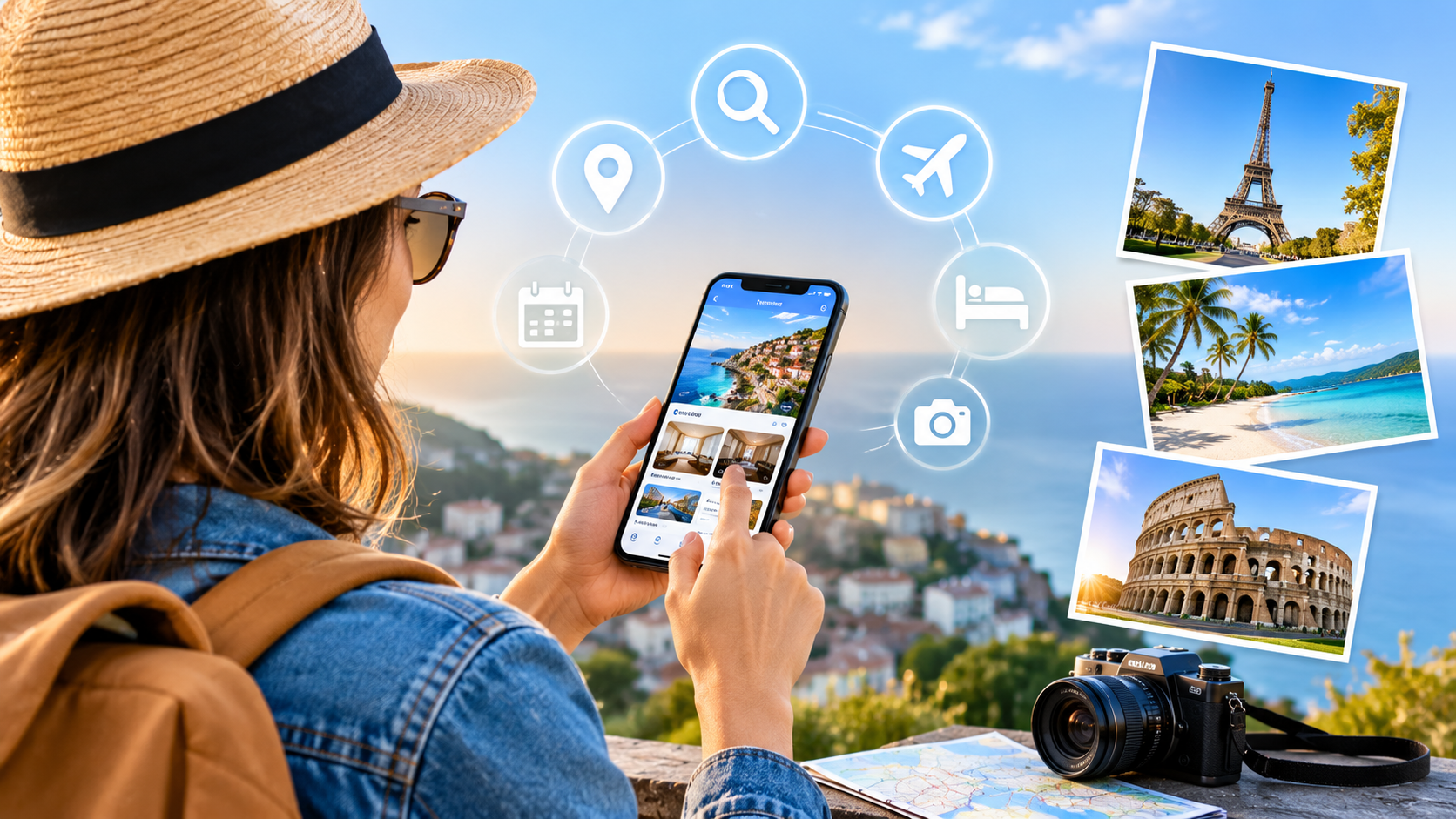
Technology has transformed nearly every part of modern life, including how people discover entertainment, choose destinations, and plan activities.
Not long ago, arranging a vacation often required visiting a travel agency, calling hotels, and consulting printed guidebooks. Finding information about concerts or sporting events could involve newspapers, ticket offices, or recommendations from friends.
Today, much of that information is available within seconds through smartphones, websites, and digital applications.
These changes have made planning more convenient while giving consumers access to a wider range of choices.
Online Research Has Changed Travel Planning
The internet allows travelers to research destinations before making reservations.
Visitors can compare transportation options, review accommodations, examine maps, and learn about local attractions without leaving home.
Photographs, videos, and online reviews can provide useful information about places that might otherwise be unfamiliar.
Travelers interested in Europe trip planning can explore destination ideas and compare potential experiences before deciding where to go.
This access to information can make international travel feel more manageable, particularly for people visiting another country for the first time.
However, online information should be evaluated carefully. Reviews may be outdated, photographs may not represent current conditions, and prices can change.
Checking details through reliable sources remains an important part of the planning process.
Social Media Influences Entertainment Choices
Social media has become a major source of inspiration for people looking for new experiences.
Short videos can introduce viewers to unfamiliar cities, restaurants, festivals, and cultural attractions.
A performance shared online may encourage someone to attend a concert. A video showing an exciting stadium atmosphere might inspire a sports fan to travel to another country.
Social platforms also allow people to follow musicians, sports teams, venues, and event organizers directly.
This can make it easier to discover announcements and learn about upcoming activities.
At the same time, social media content may present an incomplete picture. Popular destinations can appear less crowded or more affordable online than they are in reality.
Consumers benefit from combining social media inspiration with independent research.
Concert Discovery Has Become More Convenient
Finding information about live music once depended heavily on local advertising and traditional media.
Today, music fans can follow artists online, receive notifications about performances, and compare tour destinations.
Streaming platforms and social media can also introduce listeners to musicians they might never have discovered through traditional radio.
For travelers, researching upcoming European concerts can help identify opportunities to combine live entertainment with international travel.
A fan might discover that a favorite performer is appearing in several cities and select the destination that best fits their schedule and budget.
Digital ticketing has also changed the experience. Many venues now support electronic tickets that can be accessed through smartphones.
Nevertheless, consumers should purchase tickets through authorized sellers and understand any restrictions before making payment.
Sports Fans Have More Access to International Events
Technology has also changed how people follow professional sports.
Streaming services, social media, mobile applications, and sports news websites make it possible to follow teams and competitions from around the world.
A football supporter in the United States can now keep up with European clubs through match highlights, interviews, statistics, and online discussions.
This international access can encourage fans to attend matches in person.
People researching popular football matches in Europe can use online information to learn about major competitions and identify potential travel opportunities.
However, attending a match may require more preparation than simply choosing a date.
Ticket availability, club membership requirements, stadium policies, and competition schedules can affect the experience.
Checking official club and competition information is especially important before making travel arrangements.
Mobile Applications Simplify Travel
Smartphones have become essential travel tools for many people.
Navigation applications can provide directions through unfamiliar cities. Translation tools can help visitors understand signs and communicate basic information.
Digital banking applications allow travelers to monitor spending, while transportation apps can provide schedules and route information.
Electronic reservations can reduce the need to carry printed confirmations.
These tools are particularly useful when traveling between countries with different languages, currencies, or transportation systems.
Still, technology is not completely reliable.
Phones can lose power, internet access may be limited, and applications can experience technical problems.
Keeping important travel information available offline can help prevent disruptions.
Artificial Intelligence Adds New Planning Options
Artificial intelligence is beginning to influence how people research and organize activities.
AI-powered tools can help travelers compare destinations, generate sample itineraries, and identify questions they should investigate before booking.
They can also help summarize large amounts of information, making the early stages of planning more efficient.
However, AI-generated recommendations may contain errors or outdated details.
Travelers should independently verify prices, schedules, entry requirements, and reservation policies before relying on suggested plans.
Used carefully, these tools can support decision-making without replacing personal judgment.
More Choices Require Better Decisions
Technology has made information easier to access, but it has also increased the number of choices consumers face.
A traveler comparing dozens of hotels may struggle to identify the best option. A concert fan may encounter multiple ticket sellers with different prices and conditions.
To avoid becoming overwhelmed, consumers should establish clear priorities before beginning their research.
Budget, location, convenience, safety, and personal interests can help narrow the available options.
Comparing a manageable number of suitable choices is often more useful than examining every possible alternative.
Technology Should Support the Experience
The greatest benefit of modern technology is its ability to reduce the effort required to discover and organize meaningful activities.
Digital tools can help people find destinations, discover entertainment, navigate unfamiliar places, and make informed purchases.
Yet the technology itself is only part of the experience.
The real value comes from exploring new surroundings, enjoying a performance, connecting with others, or participating in an exciting event.
When used thoughtfully, technology can make those opportunities easier to discover while leaving more time to enjoy them.

 Welcome to CreativeGeneralist.com, your premier destination for authentic news, captivating stories, and insightful posts curated from across the globe. We meticulously select diverse content to inform, entertain, and inspire.