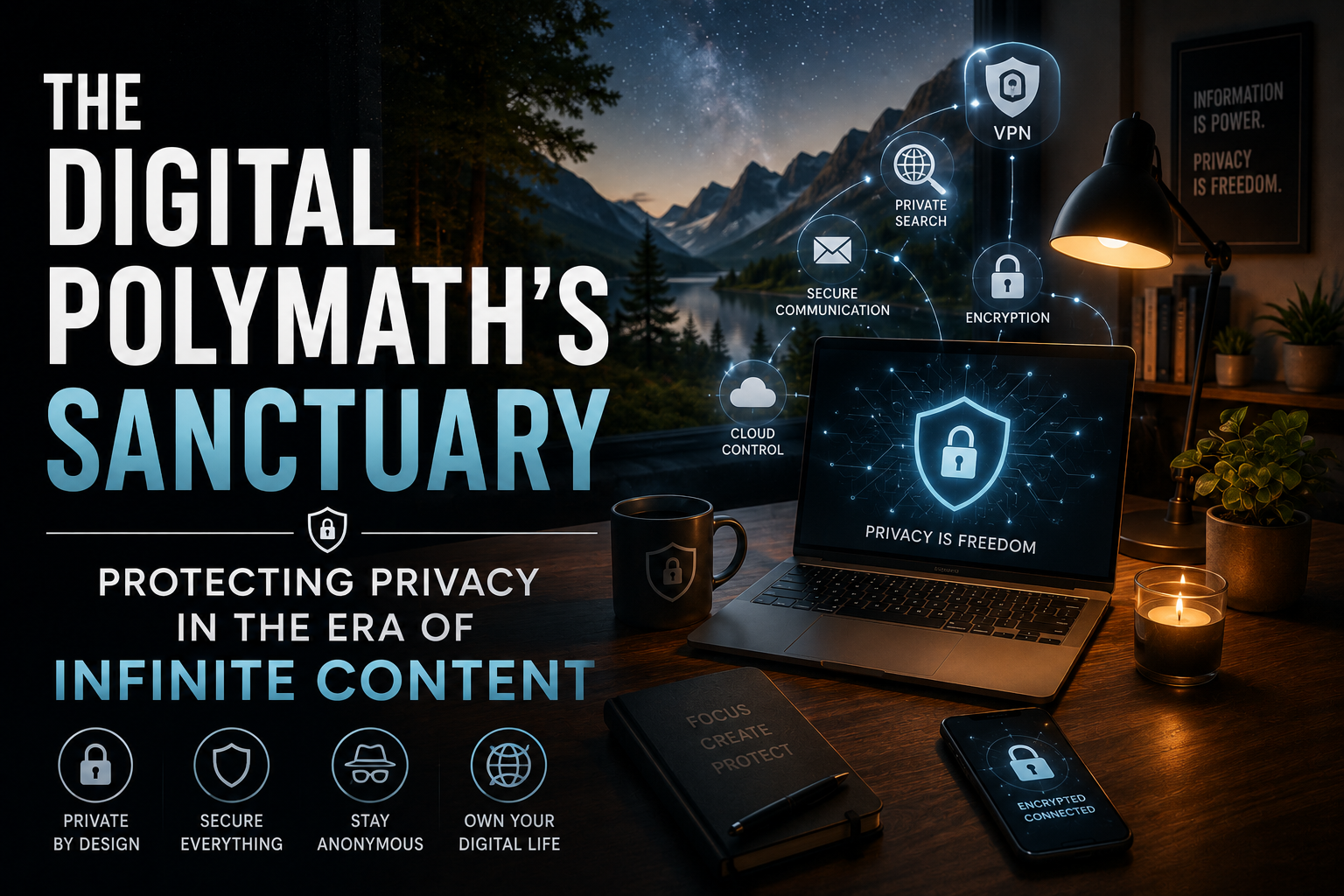
The modern creative generalist thrives on the diversity of information and the speed of digital access. In 2026, the internet is not just a tool for work; it is an expansive ecosystem for learning, inspiration, and entertainment. However, as our lives become increasingly multidisciplinary, the digital footprint we leave behind becomes more complex and revealing. For the modern professional who values their intellectual and personal autonomy, the greatest challenge of the current decade is not finding more content, but finding secure, private environments where that content can be consumed without compromise. This is where the concept of digital curation and private streaming architecture becomes a vital necessity.
For a generalist who explores various corners of the web—ranging from niche design forums to global news aggregators—the concept of a “Clean Room” digital experience is paramount. We currently live in an era of unprecedented data harvesting. Mainstream streaming platforms and search engines operate on a surveillance-based business model, where every click is a data point and every pause is a behavioral metric. For someone who values their digital privacy, this level of constant monitoring creates a psychological friction that degrades the overall quality of their leisure time. The need for a secure media gateway is no longer a niche preference; it is a fundamental strategy for maintaining one’s digital independence.
The technical evolution of independent, secure streaming hubs is the market’s response to this demand. These platforms are built with a philosophy that prioritizes the user over the advertiser. By utilizing decentralized server networks and stripped-down, security-focused architectures, these hubs ensure that a user’s viewing habits remain strictly confidential. This is particularly important for individuals who consume specialized or regional media that may not be available on mainstream, ad-heavy platforms. By choosing to navigate through a private streaming directory, users can explore diverse entertainment libraries with the confidence that their data remains their own.
Beyond the philosophical argument for privacy, there is a hard technical reality: cybersecurity. The open web is unfortunately saturated with “noise”—low-quality mirror sites, deceptive pop-ups, and malicious redirects that masquerade as legitimate entertainment portals. For a creative generalist who manages sensitive professional data on their devices, stumbling onto a compromised streaming site is a risk they cannot afford to take. A professionally managed directory acts as a human-verified filter. Every outbound link is tested for latency, security integrity, and video quality before it is listed. This curation ensures that when you access a verified destination like https://dodo-girl.com/, you are not just finding content; you are entering a secure, high-performance environment designed for the modern user.
The shift toward mobile-first digital lifestyles has also necessitated this move toward minimalist, secure portals. On a smartphone, screen real estate and processing power are limited. Ad-heavy sites with invasive tracking scripts cause device lag, drain battery life, and consume excessive data. High-quality private portals are typically designed with a “mobile-first” philosophy, offering lightweight and lightning-fast user interfaces. This technical efficiency ensures that the streaming experience remains fluid and high-definition, whether you are on a high-speed corporate fiber line or a fluctuating mobile network during a commute.
Furthermore, we must consider the intellectual impact of a curated digital experience. When an algorithm decides what you should watch based on your previous data, it creates an “echo chamber” that limits your creative growth. A well-organized, human-verified directory offers a diverse array of content categories, allowing the user to discover new genres and international media based on their genuine curiosity, not an automated prediction. This serendipitous discovery is essential for anyone who identifies as a generalist. It restores the sense of wonder to the internet, turning the web back into a place of exploration rather than a place of constant monitoring.
The future of digital life is being defined by those who know how to protect their attention and their data. As artificial intelligence and big data analytics become more pervasive, the value of independent sanctuaries that respect user privacy will only skyrocket. These portals represent a maturation of the internet—a move away from the chaotic, unregulated “wild west” and toward a more organized, secure, and user-centric infrastructure. For the digital polymath of 2026, choosing where and how to consume media is a deliberate act of self-protection and intellectual freedom.
Ultimately, the best digital tools are those that empower the user without extracting their data as a fee. As we continue to integrate our professional and personal digital experiences, the demand for secure, high-speed, and private gateways will remain the defining trend of the digital economy. By embracing curated hubs, we can enjoy the vast potential of the global web while keeping our personal lives precisely where they belong—in our own hands.

 Welcome to CreativeGeneralist.com, your premier destination for authentic news, captivating stories, and insightful posts curated from across the globe. We meticulously select diverse content to inform, entertain, and inspire.